
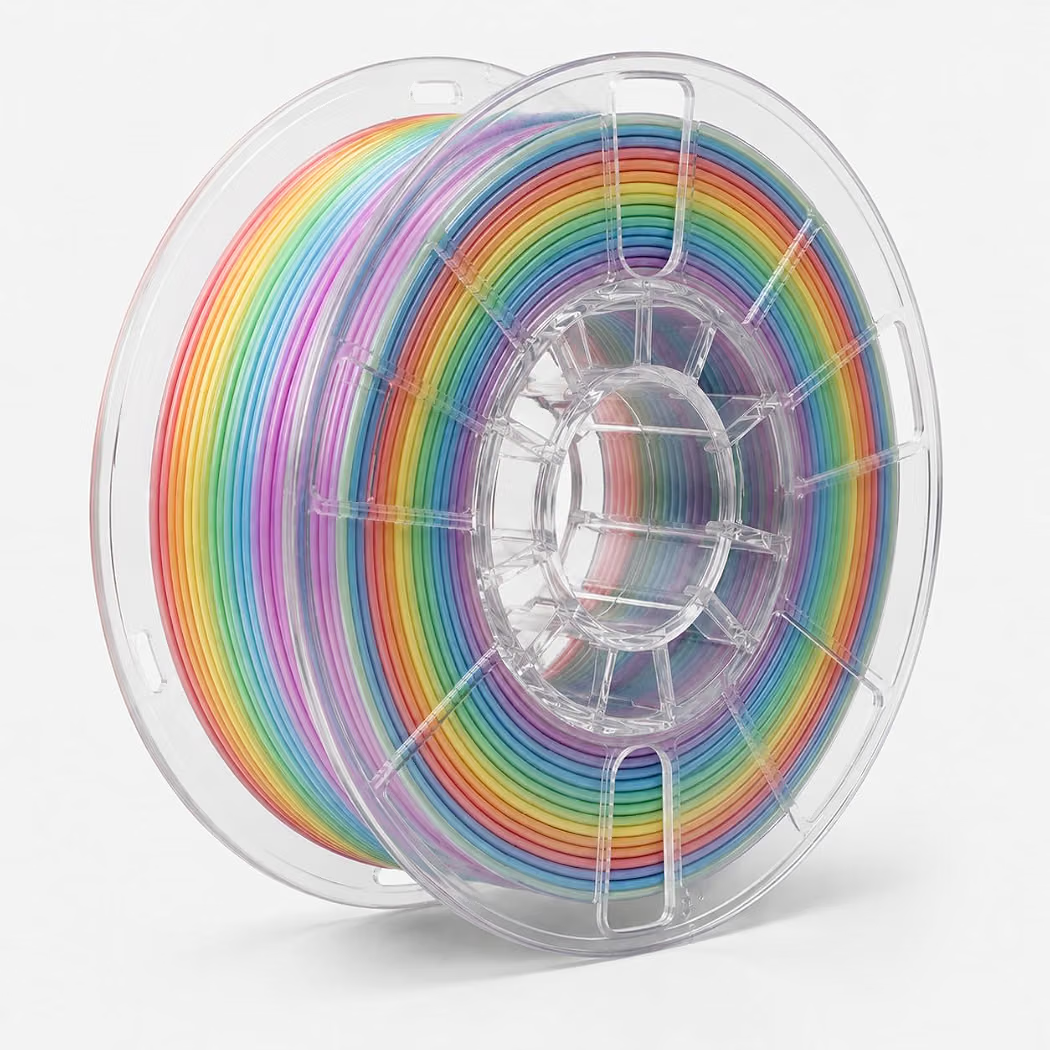
3D Filament
Automotive3D Filament
● Key Features
- Thermoplastic material designed for use with compatible 3D printers
- Available in popular materials such as PLA, ABS, PETG, TPU, and other specialty options
- Consistent filament diameter helps support reliable printing
- Available in a wide range of colors and finishes
- Suitable for creating prototypes, models, parts, decorations, and functional prints
- Typically supplied on a spool for easy feeding into the printer
- Different filament types offer varying levels of strength, flexibility, and heat resistance
- Available in standard and specialty formulations
● Pros
- Wide variety of materials for different printing needs
- Multiple colors and finishes provide creative flexibility
- Convenient spool format for storage and feeding
- Suitable for both creative and functional projects
- Compatible options are available for many popular 3D printers
- Useful for prototyping and custom projects
● Best For
- 3D printing
- Prototyping
- DIY projects
- Model making
- Replacement parts
- Crafts and decorations
- Educational projects
- Hobby printing
● Material
- PLA filament
- ABS filament
- PETG filament
- TPU flexible filament
- Specialty thermoplastic blends depending on the product
- Exact material composition varies by filament type
● Sizes
- Common 1.75 mm filament diameter
- 2.85 mm filament available for selected printers
- Various spool weights, including smaller and larger rolls
- Filament length depends on material density and spool weight
- Exact specifications vary by manufacturer
● Care Instructions
- Store filament in a cool, dry, and sealed environment.
- Keep unused filament protected from moisture.
- Use a suitable airtight storage bag or container when possible.
- Avoid prolonged exposure to direct sunlight and excessive heat.
- Follow the recommended printing temperature for the specific filament type.
- Keep the spool clean and free from dust.
- Use the filament within the manufacturer’s recommended storage conditions.
- Make sure the filament is compatible with your specific 3D printer before use.
● Why We Recommend It
3D Filament is an essential material for creating custom objects, prototypes, models, and functional parts with a compatible 3D printer. With different materials, colors, and properties available, it offers plenty of flexibility for both hobbyists and practical DIY projects.