Wood Cutting Board
Kitchen & Dining● Key Features
- Durable wooden surface designed for chopping, slicing, and food preparation
- Sturdy construction provides a stable cutting surface
- Available in bamboo, acacia, teak, walnut, maple, and other wood types
- Natural wood grain adds an attractive kitchen aesthetic
- Some models include juice grooves to help contain liquids
- Reversible designs can provide two usable cutting surfaces
- Handles or hanging holes available on selected designs
● Pros
- Durable and long-lasting with proper care
- Gentle on knife edges compared with many harder cutting surfaces
- Natural appearance complements most kitchens
- Suitable for everyday food preparation
- Can be sanded and refinished when the surface becomes worn
● Best For
- Chopping vegetables
- Slicing fruits
- Preparing meat and poultry
- Cutting bread
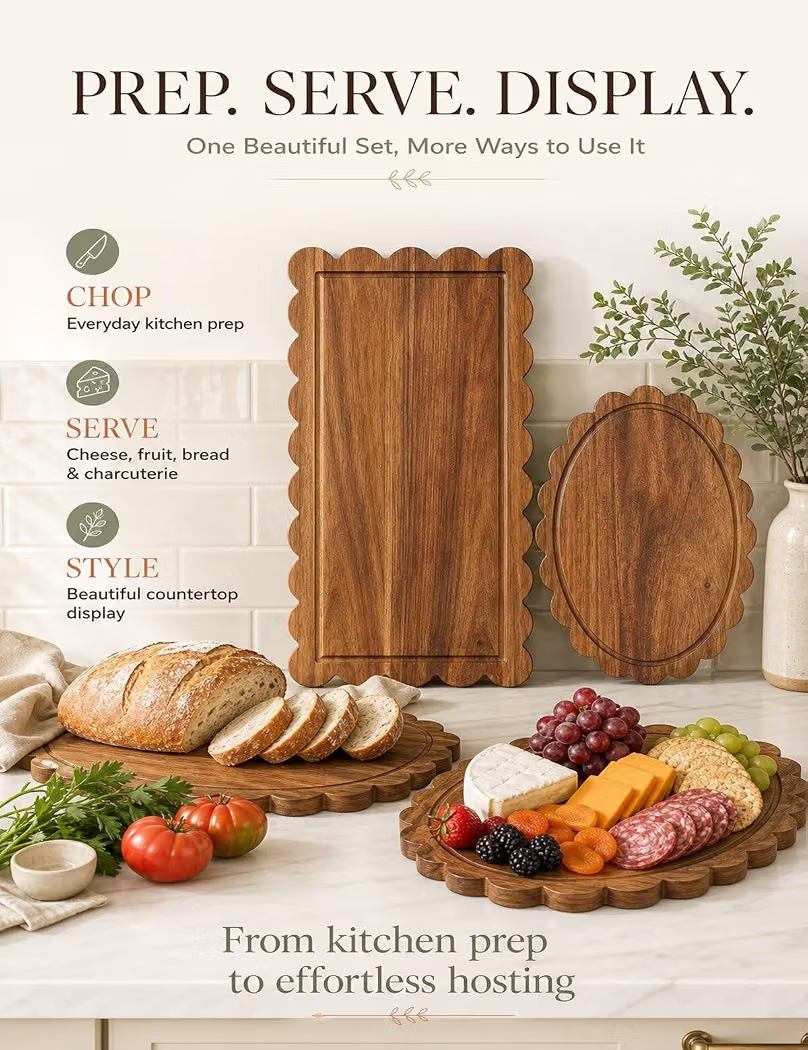
- Cheese and charcuterie
- General kitchen preparation
- Serving boards on suitable designs
● Material
- Bamboo
- Acacia wood
- Teak
- Maple
- Walnut
- Rubberwood
- Other food-safe hardwoods
● Sizes
- Small boards for basic preparation
- Medium everyday cutting boards
- Large boards for meal preparation
- Extra-large butcher-block styles
- Thickness commonly varies from approximately 0.5–2 inches
● Care Instructions
- Wash by hand with warm water and mild dish soap.
- Do not soak the board or place it in a dishwasher unless specifically labeled dishwasher-safe.
- Dry thoroughly after washing.
- Apply food-grade mineral oil or recommended board conditioner periodically.
- Avoid exposing the board to excessive heat or prolonged moisture.
- Sand and refinish when deep cuts or rough areas develop.
- Use separate boards for raw meat and ready-to-eat foods when possible.
● Why We Recommend It
A Wood Cutting Board combines a sturdy, knife-friendly cutting surface with the natural beauty of real wood. With proper hand washing, drying, and periodic conditioning, a quality wooden board can remain a dependable and attractive part of the kitchen for years.